How to tell if it's bullying
Not all unkind or hurtful behaviour is bullying. Here’s how to tell the difference.
Bullying is different from conflict or unkindness
Bullying is mean, but being mean doesn't mean bullying
- It’s normal to argue or have conflict with others
- Not all conflict, fighting or arguing is bullying
- Someone can be rude or mean and it doesn’t make them a bully
- Both bullying and unkindness can be upsetting and hurtful
Rude, mean or bullying?
Here’s what they all mean:
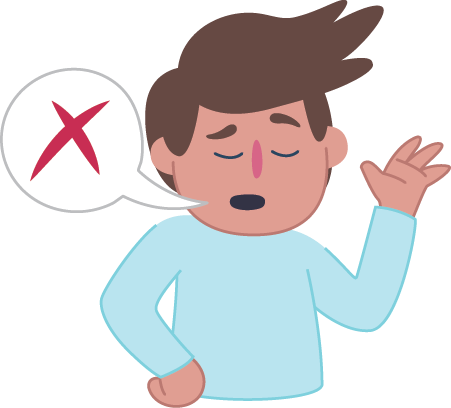
Rude
Saying or doing something hurtful that wasn’t planned or meant to upset someone.
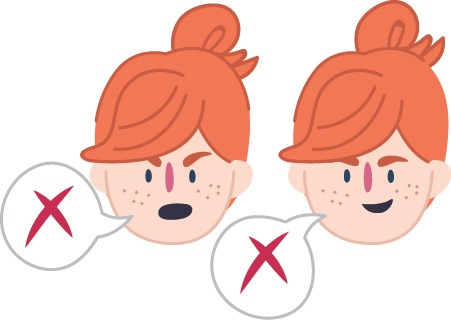
Mean
Saying or doing something hurtful to someone on purpose once or twice.
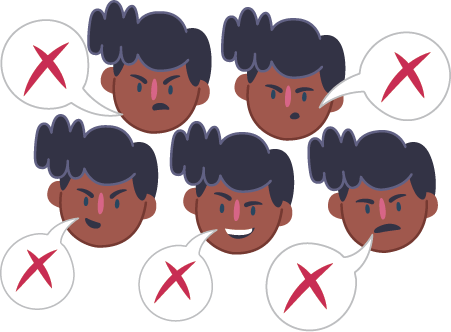
Bullying
Someone more powerful saying or doing something hurtful to someone on purpose, over and over again.
"We're gonna look at how you can respond to bullying using humour."We've partnered with PROJECT ROCKIT to help you know what to say or do in the moment when you are being bullied.
What’s the difference?
There are four things that can help you identify bullying over unkind, rude or mean behaviour.
Bullying is:
- Unbalanced – the person who is bullying has more power (older, bigger, stronger, smarter, more control or influence).
- Harmful – leaves you feeling hurt, harmed, unsafe, threatened, unable to defend yourself or make it stop.
- Targeted – they say or do things on purpose to hurt, embarrass, scare, harass or put you down.
- Repeated – they act this way towards you over and over again, even if you tell them to stop.
How to tell if it's bullying
If you’re unsure if someone is being unkind or bullying you, ask yourself:
- Was it done on purpose to hurt you?
- Is it a pattern? Does it keep happening?
- Is it about power - are they older, stronger or have more influence than you?
If you answered YES to all of these questions, then it’s likely to be bullying.
"I was bullied a lot last year, and it was really difficult for me."
Sometimes conflict is upsetting and unavoidable, but bullying is NEVER ok or acceptable.


This content was last reviewed