Cyberbullying: your online support guide
You deserve to feel safe, respected, and supported. Both online and offline.
This guide is here to help whenever you need it. Explore it from start to finish or jump straight to the topics that matter most to you. Whether you're looking for answers, support, or practical tips, you'll find helpful info here on the guide.
Cyberbullying help, info & strategies for teens
The fact you're here means you might be experiencing online bullying or you're supporting someone who is.
We're really sorry that you (or someone you care about) is going through this! Cyberbullying is never harmless, and it can invade all areas of your life. We're here to help and support you.
You can use the buttons to navigate to the section you're looking for. Or, we respect the scroll! Scroll down for info on bullying in gaming, scenarios to test your knowledge, steps to take if you think you've been cyberbullying someone, videos and more.
What do you need help with?
Cyberbullying: let's talk about it
Know it. Name it. Navigate it.
A big part of life happens online. It is how we connect, communicate, express who we are and explore what matters to us.
But sometimes online spaces can become hurtful, harmful or unsafe.
- Rumours spreading online
- Nasty DMs
- Group chat pile-ons
- Being excluded
- Private images or personal content being shared without permission
- Fake profiles
- Gaming chats that suddenly turn toxic
Sound familiar?
Whether it's happening to you, a friend, or you're just trying to figure out what's going on, this guide can help you understand cyberbullying, find support and build confidence to know what to do next.
"I wanted and still just want someone to be there for me and not tell me I'm imagining it."
– anonymous teen
Is it cyberbullying?
Cyberbullying happens when someone uses technology to hurt, target, embarrass or exclude another person.
Maybe your brain is running through questions like:
- "Is this just online drama?"
- "Are they joking or trying to hurt me?"
- "Should I respond?"
- "Am I overreacting?"
Sometimes it's obvious. Sometimes it's harder to spot.
Either way, if something online is making you feel stressed, unsafe, embarrassed or targeted, it matters. You don't need to be a cyberbullying detective before asking for help.

Stay calm
Pause before responding.
The internet might want an immediate response, your wellbeing doesn't.
Taking a moment helps you think about your next move instead of reacting under pressure.
- Take a few deep breaths
- Move away from your tech for a few minutes
- Talk it through with someone you trust
- Ask yourself: "Will replying actually help?"
- Sleep on it - give yourself time and space to process so you don't respond while your emotions are high
Remember: you don't owe anyone a response.
Screenshot
Keep the receipts.
Take screenshots, save messages and make a note of usernames, dates and times where possible.
It might feel awkward, but evidence can help if you decide to report what's happening or ask for support later.
If you find yourself repeatedly looking back at the content and it's affecting your wellbeing, send the evidence to a trusted adult then remove it from your device so you don't have to keep seeing it.
Shut it down
Protect your space and your peace!
Your accounts, your boundaries.
Think of it as putting up some digital boundaries. Not everyone deserves front row access to your life.
You could:
- Block the account
- Report to the game, site or app
- If things don’t approve, report to eSafety
- Adjust privacy settings
- Mute or leave group chats temporarily
- Review who can contact you
- Change passwords if needed
This isn't about shutting people out. It's about looking after yourself.
Support
You don't have to handle this alone.
You don't need to have all the answers right now. Sometimes the next best move is simply letting someone support you.
Talk to more than one trusted adult and keep that conversation going until the situation changes. You could talk to:
- Parents, carers or family members
- Teachers
- School counsellors or other support staff
- Kids Helpline counsellors
- Other professionals like a GP or psychologist
Asking for help is a power up, not a setback. For more strategies to respond to different types of cyberbullying, check out this cyberbullying article.
Report cyberbullying
If you're dealing with cyberbullying, you're not alone! You can make a complaint to the Office of the eSafety Commissioner.

Scenario: what would you do?
Imagine you build up the courage to tell an adult that you're being bullied online, but they respond with...
"They're probably just joking. Try not to let it bother you. I'm sure it will stop."
But the comments keep happening. You're still upset, and now you're wondering whether it was even worth saying anything.
What would you do next?
- A. Think, 'Maybe they're right... I'll just try to ignore it and deal with it myself.'
- B. Talk to another trusted adult and explain what's been happening and how it's affecting me.
- C. Keep it to myself because it feels like no one is really going to understand.
- D. Save screenshots, keep a record of what's happening, and think about who else I could talk to.
Counsellor's feedback:
Options B and D can be really helpful next steps.
Speaking up about cyberbullying can take a lot of courage. It can be frustrating when you finally ask for help and don't feel listened to or taken seriously.
If you don't feel heard the first time, don't give up. Sometimes it takes talking to another trusted adult to feel heard, helped and understood.
Keeping a record of what's happening can also make it easier to explain your experience and get the support you deserve.
A counsellor can help by:
- Listening without judgement.
- Helping you make sense of what's happening.
- Talking through your options.
- Supporting you to approach trusted adults.
- Exploring ways to stay safe online.
- Building strategies to cope with difficult feelings.
- Reminding you that bullying is never your fault.
"One of the strongest themes young people share with us is wanting to be believed. Many tell us they wish someone had listened sooner, understood what they were going through, or taken action earlier. As counsellors, we know that feeling heard can make a big difference. It can help us feel less alone, more supported, and build confidence. You deserve to be heard."
– Stephanie, Kids Helpline Counsellor

Calling all gamers!
Time to level up! Keep the fun but lose the toxicity: Mute. Block. Report.
Gaming can include competition, banter and a bit of trash talk. But when someone is repeatedly targeting you, leaving you out, spreading rumours, sending hurtful messages or making you feel unsafe, it may be more than "just part of the game".
Quick tips:
- Mute, block or report players who cross the line.
- Take screenshots of harmful messages.
- Take a break if things are becoming overwhelming.
- Talk to someone you trust if it's affecting you.
If something doesn't feel right, trust your instincts. Check out our article for more tips on dealing with bullying, setting boundaries and keeping gaming fun.
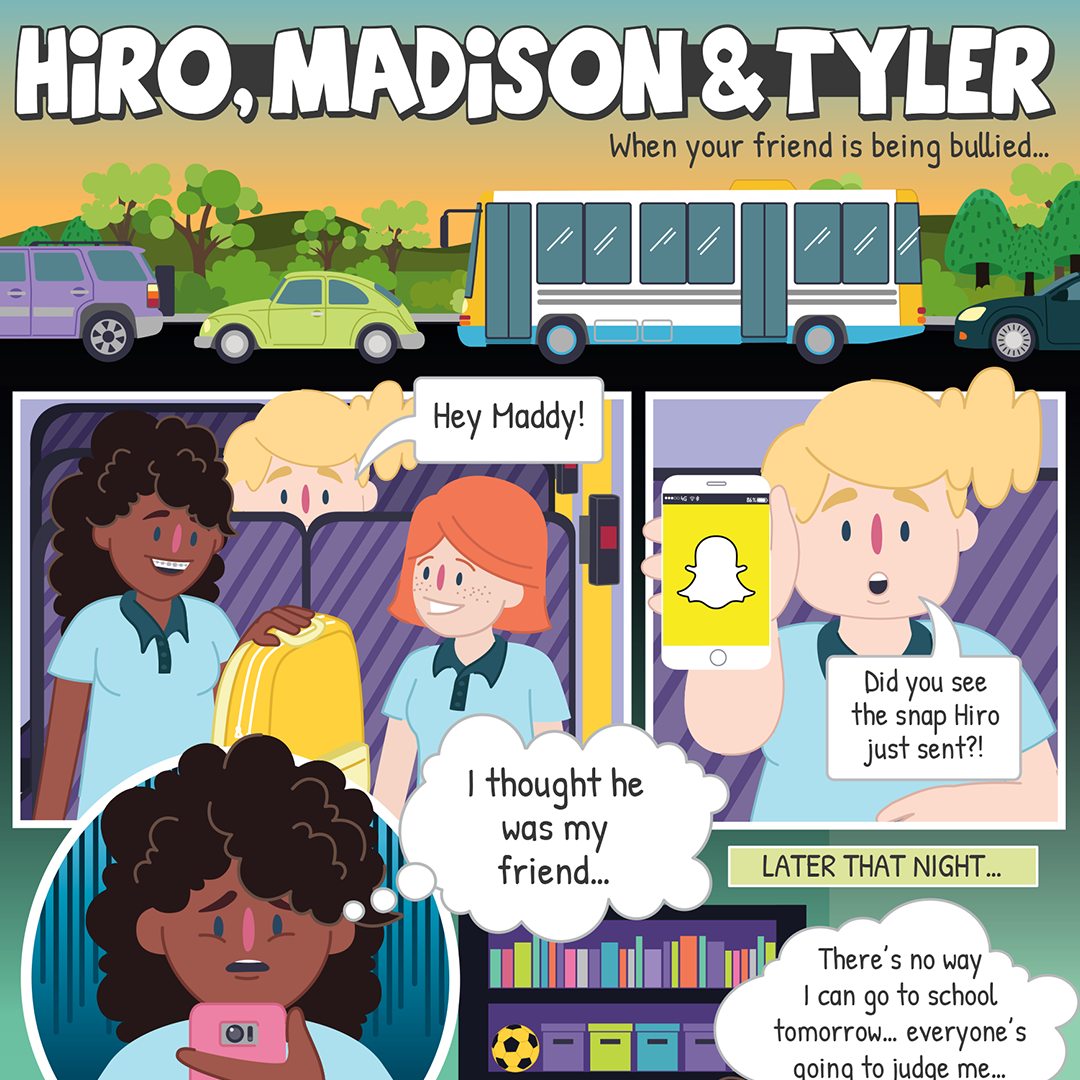
My friend is being cyberbullied?
Sometimes the most powerful thing you can do is show someone they're not alone. You can:
- Check in and ask how they're doing
- Remind them that it isn’t their fault
- Listen without judging
- Avoid sharing harmful posts, screenshots or rumours
- Encourage them to follow the 4S approach (Stay calm, Screenshot, Shut it down & Support)
- Report content if it's unsafe or breaks platform rules
- Stand beside them online and offline
- Look after yourself too – you can't pour from an empty cup
- Reach out to a trusted adult for support or guidance if needed
You don't need to solve the problem for them. Simply being there can make a huge difference.
Looking after yourself
What to do when cyberbullying starts messing with your head!
Online situations can affect more than just your screen time.
You might notice:
- Feeling anxious, angry, worried or overwhelmed
- Losing confidence
- Avoiding friends, school or family
- Losing interest in hobbies and activities you usually enjoy
- Difficulty concentrating
- Constantly checking your devices
If cyberbullying is taking up way too much space in your mind, it's okay to step back.
Take a break. Talk to someone. Focus on the things that help you feel safe, supported and connected.
Remember: You don’t have to handle this on your own.


Am I cyberbullying?
Could I be part of the problem...
Sometimes cyberbullying doesn't start with one big decision. It can happen a little at a time. A screenshot here. A comment there. One joke too many. Before you know it, somebody is getting hurt!
Ask yourself:
- Is my online persona in line with my personal values?
- Am I part of online spaces that have a culture of harming or targeting others?
- Have I shared something about someone without their consent?
- Have I posted or forwarded embarrassing content?
- Have I joined in when others were targeting someone?
- Have I deliberately left someone out?
- Have I created a fake account or used one to contact someone?
- Have I posted something I wouldn't say to their face?
Your mistakes don’t define you. Your willingness to learn, grow, and make things right can. Check out our 'could I be a cyberbully?' article for steps you can take.
Five ways to take responsibility after cyberbullying someone
- Remove harmful content
- Apologise sincerely
- Stop sharing rumours or screenshots
- Learn from the experience
- Seek support to make better choices online
Harassment, stalking, and abuse can also happen online
Some types of cyberbullying can actually be illegal.
Threats of harm, cyberstalking, doxxing, and inciting self-harm (sending messages to encourage someone to self-harm or suicide) are all a crime.
Revenge porn and sextortion are two types of image-based abuse that can also happen online, and may overlap with cyberbullying. If you think you might be experiencing any of these things, it's important to tell a trustworthy adult straight away. And if you're in immediate danger, call 000.
Looking for more info on this? We have an article that covers when bullying becomes unsafe and illegal.



This content was last reviewed 04