What is this big thing called grief?
Losing someone you cared about can be heartbreaking and turn your world upside down. We’re here for you.
What is grief?
It's what happens after the loss of someone or something important to you.
- Grief is a natural reaction to loss
- It’s a journey that affects everyone differently
- Grief can hurt... a lot
- There is no right or wrong way to feel
- Everyone grieves in their own way
- Grief has no set pattern or timetable
Going through grief can help you to deal with and honour what you've lost. If it feels too overwhelming – remember you’re not alone.
Different kinds of loss
Some ways that you can experience grief are:
- Death of a loved one or family member
- Death of a friend or someone you knew
- Death of a famous person
- Loss of a pet
- Parents separating
- Loss of a friendship
- End of a relationship
- Moving away
- Giving up something you love
- Developing a disability
- Having a life-changing illness
- Leaving or moving schools
- Loss of belongings or a way of living
It’s perfectly natural to feel ALL kinds of emotions
Grief can leave you feeling...
- Sad
- Empty
- Angry
- Irritable
- Numb
- Relieved
- Confused
- Regretful
- Incomplete
- Guilty
- Stressed
- Isolated
- Anxious
- Fearful
- Shocked
- Overwhelmed
- Hopeless
- Lonely
Grief can affect you in many different ways
It can affect you:
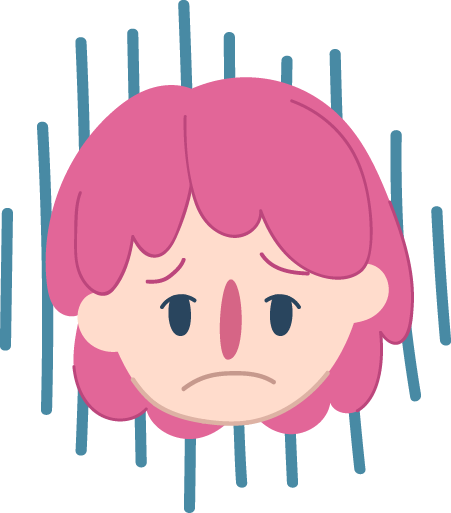
Emotionally
At first feelings can be painful, constant, overwhelming and unpredictable. Some days will be harder and more emotional than others.
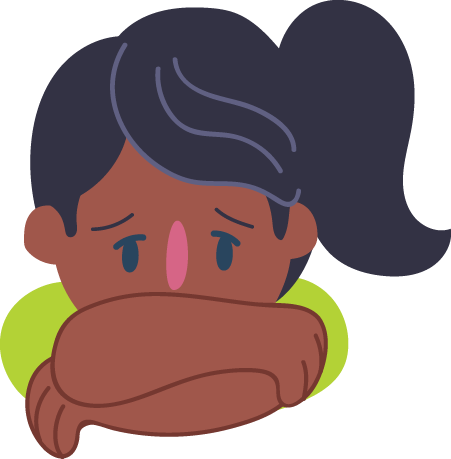
Physically
You may feel sick, tried, tense and unable to relax. Headaches, lack of energy, aches and pains are also common.
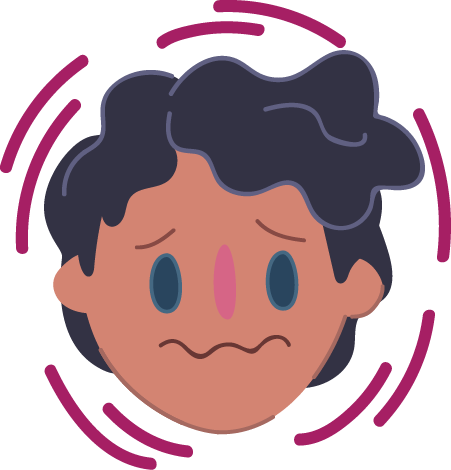
Mentally
You might find yourself being forgetful, disorganised, distracted or worried about others. It can also be hard to think, concentrate or make decisions.
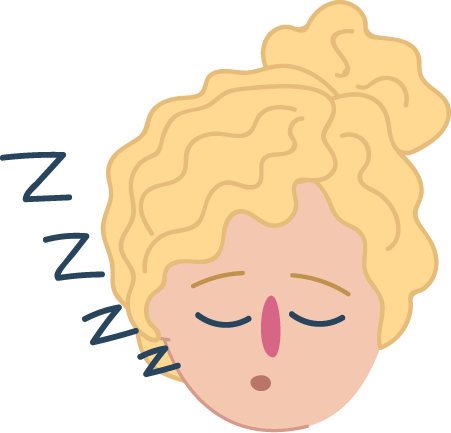
Behaviourally
Not feeling yourself, getting out of bed, acting differently than usual or not enjoying things you used to, are common changes too. You may also notice changes in your eating and sleeping patterns.
Socially
You might not feel like seeing or talking to anyone. Being around others might be tough, especially if you feel pressure to be strong for others.
Spiritually
You may start to question your beliefs, re-examine your priorities or search for meaning or answers to your loss.
Responses to loss
You may experience:
Anger
You may feel angry at what’s happened or at life for being unfair. You could feel angry towards others or even the person who died for leaving you.
Bargaining
You may feel that the loss can be reversed by pleading or promising to change or do something differently to get your loved one back.
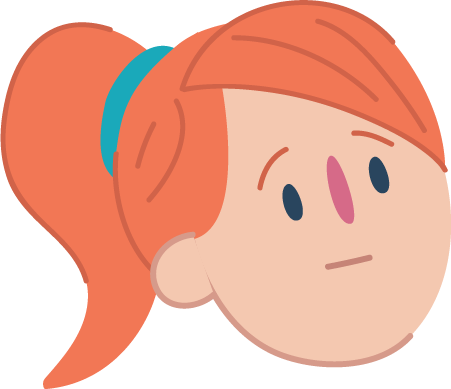
Acceptance or Hope
Feelings of sadness and pain will start to fade and you'll begin to come to terms with your loss. You’ll focus less on the past and start to move forward with life again.
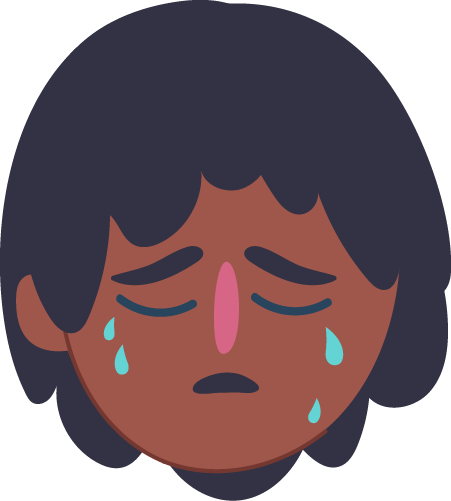
Sadness
You may spend a lot of time crying and have feelings of emptiness, distress, longing or loneliness. Sometimes it will be hard to find meaning you may feel that you’ll never be happy again.
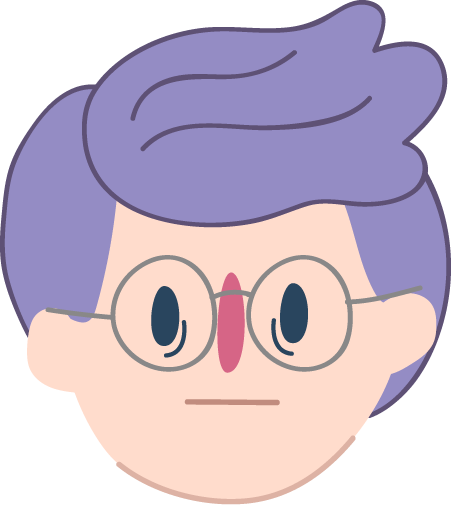
Shock, Numbness or Denial
You might feel shocked, numb or find it hard to feel anything. At first you may have trouble believing that the loss has really happened or keep expecting the person to show up.
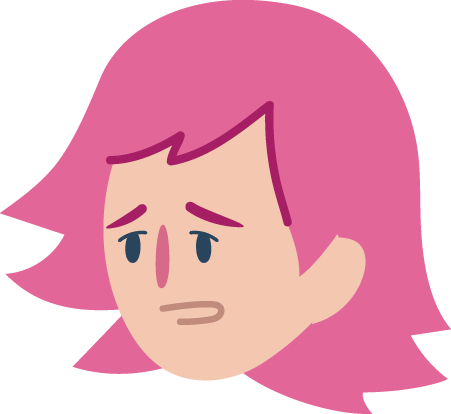
Guilt
You might blame yourself in some way for what has happened, or there might be something you wish you could have done or said. Sometimes you may even feel guilty for being alive.
Sometimes you might wonder if you'll ever get through this. You will. With time and support, these feelings will change and you will learn how to cope with your loss.


This content was last reviewed