Physical violence and abuse
Violence is never okay. If you or someone you know is experiencing physical abuse it is OK to ask for help.

Content Warning: this article contains violence and trauma related content that may be triggering or distressing.
What is physical abuse?
Physical abuse happens when someone deliberately hurts your body
- It can also be known as physical violence
- Physical abuse or violence is illegal
- You don’t have to have bruises or marks for it to be physical abuse
- Physical abuse can start slowly with a threat or push and get worse over time
- Nothing you say or do makes it okay for someone to hurt you
If you ever feel unsafe at home, talk to a trusted adult or Kids Helpline. If anyone is in danger, call 000 and ask for the Police.
Types of physical abuse
Here are some examples of physical abuse:
- Hitting, punching or slapping
- Choking or suffocating
- Kicking, pushing or pulling
- Biting, spitting or shaking
- Pinching, scratching or burning
- Destroying your property
- Threatening to hurt you
- Restraining or locking you up
- Stopping you from taking your medication
- Force feeding or denying you food or sleep
- Poisoning or making you feel unwell with drugs or medicine
- Throwing items at you or using items to hurt you
Physical abuse can hurt you emotionally too
It can have a big impact on the way you feel and act.
It may make you feel:
- Sick, hurt, angry or betrayed
- Scared, worried or sad
- Lonely, isolated or trapped
- Guilty, responsible or confused
- Like hurting yourself
- Suicidal, hopeless or helpless
- Rejected, worthless or ashamed
- Unable to concentrate, eat or sleep
- Like running away or lashing out
If physical abuse or violence is happening to you…
It’s important to remember:

You are not alone

Violence is NEVER ok

You have the right to feel safe
This is NOT your fault
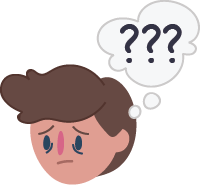
It’s ok to have mixed feelings
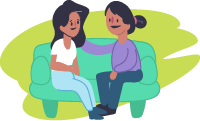
There are people who can help
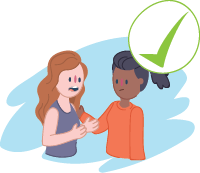
Take care of yourself & talk to a trustworthy adult
Your safety matters - call 000 if you’re in danger
You might worry telling someone will make things worse. But telling someone can be the first step towards making it stop. – Sky, Kids Helpline Counsellor
There are people you can talk to who can help and keep you safe
Here’s a list of some people you could try talking to. Remember, if at first you don’t get help, keep trying until you find somebody who will help you.
- Police – 000
- Older relative or friend
- Kids Helpline - 1800 55 1800
- Teacher or school principal
- 1800 RESPECT (1800 737 732)
- Doctor or nurse
- Youth worker
- School counsellor

This content was last reviewed