Eating disorders
Eating disorders are serious and have a big impact on someone’s health. We’re here to help. Learn more about eating disorders, what the warning signs are, and who can help you change your relationship with food.

Content Warning: this article contains information about mental health which may be distressing or triggering.
What is an eating disorder?
It’s more than just eating too little or too much. It’s when someone has an unhealthy focus on eating, exercising, or their body size or shape.
Here’s what you need to know about eating disorders:
- You can’t always tell if someone has an eating disorder just by looking at them
- Both girls and guys of any age can develop an eating disorder
- Eating disorders are not a diet gone wrong or a cry for attention
- Sometimes eating disorders develop as a way for someone to feel in control of emotions or something that is happening in their life
- Eating disorders can have a lifelong impact on someone’s health
- Eating disorders are very serious and it’s important to get support
- Help is available and recovery is possible
Types of eating disorders
Eating disorders can come in many forms. Here are the most common:
- Anorexia Nervosa
- Binge Eating Disorder
- Bulimia Nervosa
- Other Specified Feeding or Eating Disorders (OSFED)
How to tell if your relationship with food is becoming unhealthy?
You may notice changes in the way you:
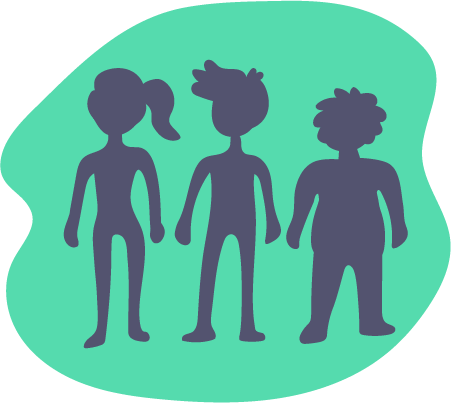
Look
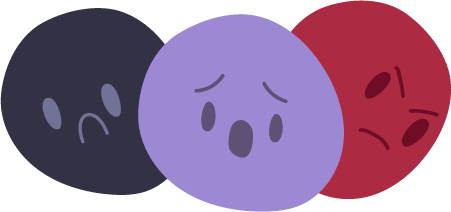
Feel
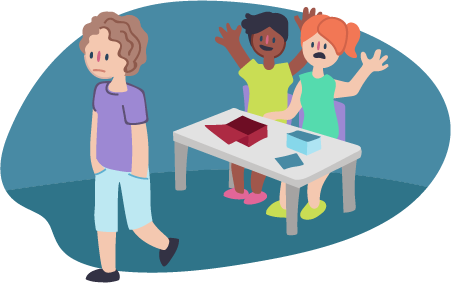
Act
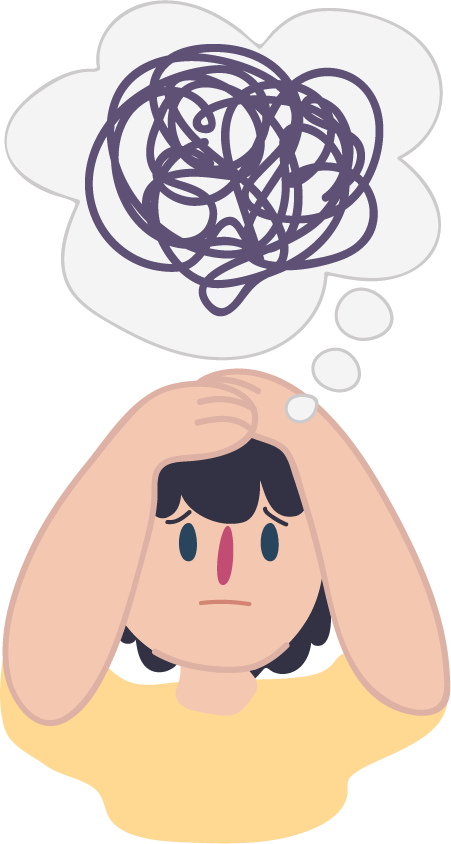
Think
Recognising the signs and symptoms
Here are some of the most common warning signs and symptoms
How you look:
- Sudden weight loss or gain
- Your look tired and worn-out
- Your clothing style has changed
- Changes in the way your hair, skin and nails look
You may feel:
- Unhappy with your body shape or size
- Worried, upset or guilty after eating
- Moody, irritable or have low energy
- Faint, dizzy or weak
- Nervous or out of control around food
- Cold all the time – even in warm weather
How you act:
- Steal or hide food
- Withdraw from your friends
- Exercise often or excessively
- Vomit after meals or use laxatives
- Eat in secret or avoid eating with others
- Diet, overeat, fast or change the way you eat
How you think:
- Difficulty concentrating
- Have a strong fear of gaining weight
- View your body differently than others do
- Worried about what you eat or the way you eat
- Constantly think about food, eating or body weight
"I'm an anorexia and depression survivor."
Who can help?
If you're worried about your eating habits, it's important to seek help as soon as possible.
Here's who can help:
- Parent or trusted adult
- School counsellor
- Psychologist
- Doctor or nurse
- Kids Helpline
- Service that specialises in eating disorders like the Butterfly Foundation
You're not alone
With help you can start to change your relationship with food
If you notice any of these signs or you’re worried about your eating and exercise habits – we’re here to help.
Give us a call or start a WebChat to get respectful and confidential support.
If you are looking for more digital services and resources, check out Medicare Mental Health.
This content was last reviewed