What happens when your kids don’t get enough sleep
Getting the right amount of sleep is important for kids' developing body and wellbeing. Find out how much sleep your child needs and the impacts of not getting enough.
What’s so important about sleep?
For a growing body, sleep is just as important as nutrition and exercise
Sleep is vital for kids' health, development and wellbeing. It helps them to stay healthy, grow, learn and do well in school. Sleep physically restores their body, improves brain function and mental health.
Kids of all ages need to get enough sleep so they can play, learn and concentrate during the day.
Not getting enough sleep can have a big impact on your kids – behaviourally, mentally and emotionally.
Most kids don’t get enough sleep as they’re often busy with school, study, sporting and social commitments.
How much sleep is enough?
Recommended hours of sleep per night can vary depending on age. Every kid is different, so take time to figure out what works best for your kid. Here’s a guide:
- 0-11 months - 14-18 hours per day
- 1-2 years - 10-14 hours per day
- 3-5 years - 10-13 hours per day
- 6-13 years - 9-11 hours per day
- 14-18 years - 8-9 hours per day

The impact of lack of sleep
Sleep problems are some of the most common issues faced by parents. When kids don’t get enough sleep over a period of time, the following behavioural, cognitive (mental) and emotional symptoms can occur:
- Sleepiness during the day
- Issues with study and socialising
- Irritability and moodiness
- Shorter attention span
- Lack of concentration and focus
- Increased forgetfulness
- Reduced academic performance
- Lack of interest and motivation
- Difficulty learning new information
- Difficulty regulating emotions
- Increased emotional problems
- Reduced immune system
- Poorer memory
- Increased impulsivity
- Higher risk of accidents
- Increased stress
- Higher levels of obesity
- Decline in mental health
The challenge for kids and their parents is understanding the need for sleep and its restorative powers, and factoring into their busy lives sufficient time for good sleep.
How to support healthy sleep habits
There are many things you can do to help your kids get good quality sleep as often as possible:
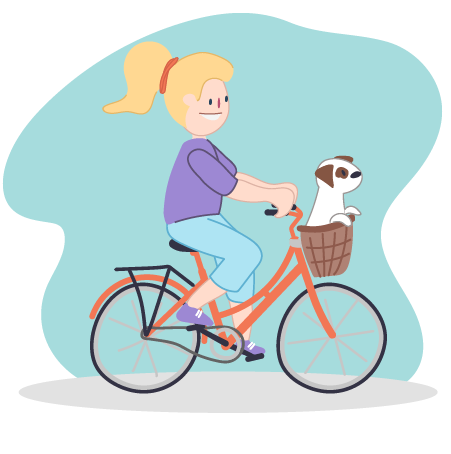
Encourage exercise or time outdoors during the day
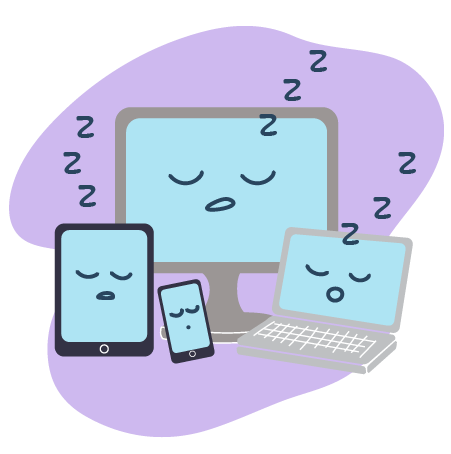
Turn off devices at least 30 minutes before bed
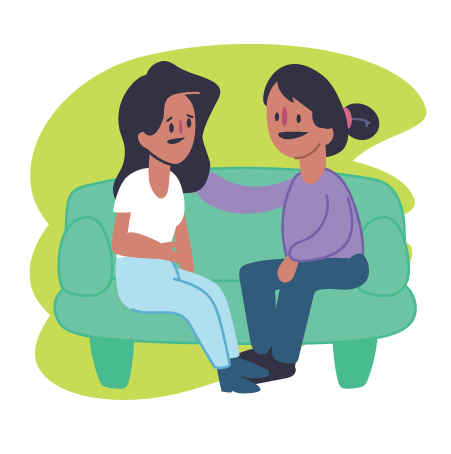
Talk to them about their sleep to figure out what might be impacting on it
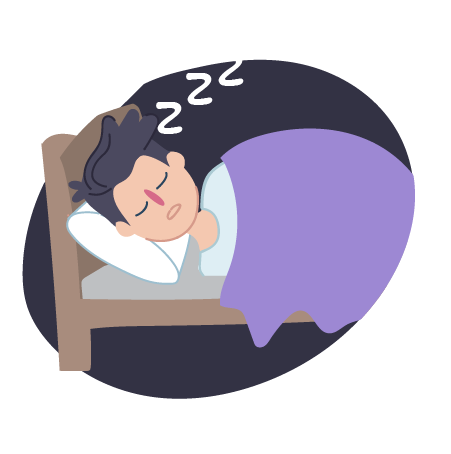
Help them make sleep a priority! Ensure they’re getting enough sleep for their age
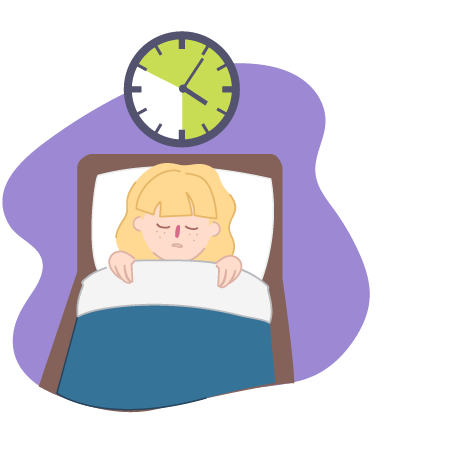
Set up a regular bedtime and waking up time – and help them stick with it!
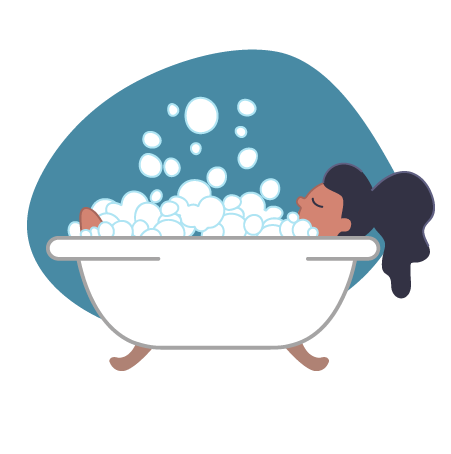
Develop a regular bedtime routine – taking a bath, brushing teeth, then reading or meditation

Create a good sleeping environment (dark, cool, quiet and screen-free)
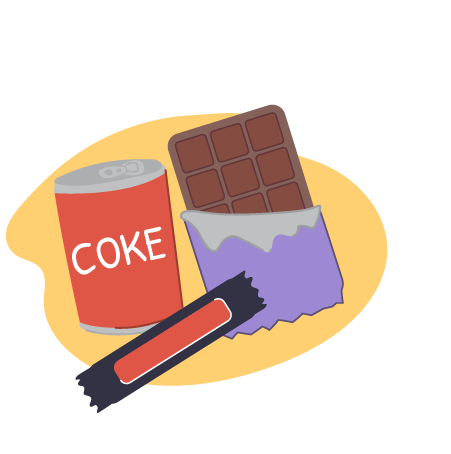
Avoid sugary foods and drinks a couple of hours before bed to help them rest easier
When sleep problems become a concern
If sleep problems persist it’s important to see a healthcare professional.
Many kids grow out of sleep problems. However if they’re a persistent concern, professional assistance might be needed to help you figure out what might be going on.
Need more support with this? Try calling Parentline in your state or territory.

Share Kids Helpline
Many young people contact Kids Helpline because an adult shared it with them first.


This content was last reviewed 02/10/2019