Understanding online grooming
We explain online grooming and ways to keep your kids safe.
It's scary to think about it… but being aware is important
Taking the time to learn about online grooming can help you protect your child.
It's an offence for an adult to start an online relationship with someone under the age of 16 with the intention of having a sexual relationship with them.
It's against the law – even if the adult and the child never meet in real life.
How to spot online grooming
They might do any of these things or a combination of them:
- Ask for photos
- Ask for videos
- Ask to meet face to face
- Offer gifts or favours
- Make a child feel special
- Persistently seek out the child
- Ask a child for a favour
- Ask for their phone number
- Ask where they live
- Ask if they're alone
- Find things in common with the child
- Make threats or manipulate the child to do things
Signs that a child may be at risk
Here are some things to keep an eye out for:

Unexplained gifts, online game credits, or money

Secrecy about who they’re talking to online
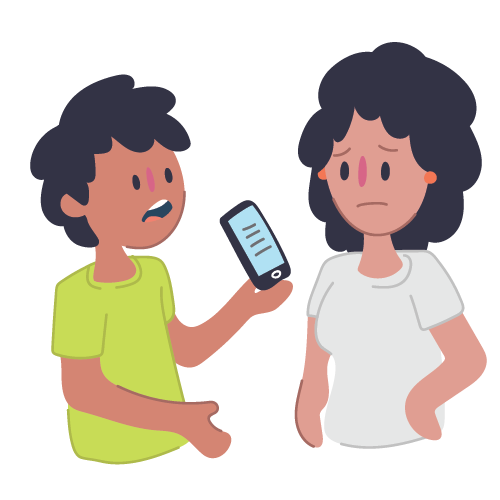
Getting defensive when you ask about online activities

Changes in sexual knowledge, language, or behaviours
It's never too late to report it. Trust your instincts. Act if something doesn't feel right by visiting ThinkUKnow.
What you can do
If you're worried that a child may be at risk here's what you can do:
- Talk to them about your concerns
- Tell them you’re there to help and want them to be safe
- Tell them it’s not their fault if they’re in this situation
- Report suspicious behaviour to Police
- Help them check their privacy settings
- Help them block or un-friend the person
- Teach them not to share passwords or accounts
- Have them ask before agreeing to meet someone
- Find out more about parental controls on devices
- Learn more by visiting ThinkUKnow or eSafety
- Visit eSafety iParent for more resources
We all have a role to play in keeping kids safe
There’s always someone you can talk to and get advice from.
You're not alone in protecting your child from online grooming. If you need support call the Parentline service in your State or Territory and talk through your options with a counsellor.
Encourage the child to talk with a counsellor if they're worried or upset about anything that happens online.
Kids Helpline is open 24/7. Give us a call, or talk to us on WebChat.

Share Kids Helpline
Many young people contact Kids Helpline because an adult shared it with them first.


This content was last reviewed 15/02/2019