Supporting a child through grief and loss
When your child loses someone or something close to them it can be a challenging time. We’ve got some tips to help.
Children experience grief in many ways
Children may experience grief over:
- Death of a family member or friend
- Death of a family pet
- Parents separating or a family break-up
- Moving to a new home or school
- Loss of a favourite toy or comforter
- Changing teachers or classes
- Loss of a friendship or friend moving away
- Having a disability or medical illness
- Finding out a family member is sick
- Loss related to a crisis - fire, flood, accident
How children understand and express loss will depend on their age, developmental stage, past experiences and connection with what they've lost.
Children can be deeply affected by loss
They may experience many emotions like:
- Sadness
- Disbelief
- Frustration
- Anger
- Shock
- Anxiety
- Longing
- Relief
- Guilt
- Fear
- Panic
- Confusion
- Numbness
- Lack of emotions
Strong feelings can be overwhelming for children. Some might get quiet and withdrawn, while others might express their feelings through challenging behaviours.
Common grief responses in children
Grief can affect children:

Cognitively
They might have trouble concentrating, making decisions or get easily confused. You might see nightmares, lack of motivation, or a decline in school performance and self-esteem.

Emotionally
Children tend to go in and out of the grief process - crying one minute, then playing the next. They may also be unsettled, express anxiety about the safety of others or feel responsible for their parents.

Physically
Children may feel sick more often, experience headaches, stomach aches, tiredness, lack of energy or hyperactivity. You may also notice changes in their eating habits and sleeping patterns.

Spiritually
Children will be curious about death and dying and may ask a lot of questions. They may start to question why this happened and where the person might be now.
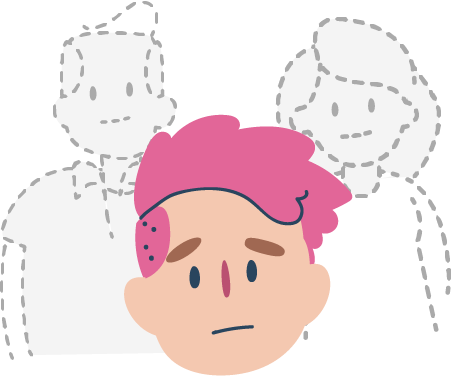
Socially
It’s common for children to either withdraw from family and friends, or become more dependent or clingy. They might also attempt to take on the role of an older sibling or adult who has died.

Behaviourally
They might show more challenging or demanding behaviour as they try to get care or reassurance from you. Themes of death may show up in their drawings or play. Behaviour may also regress like wetting the bed.
What you can do to help
Here are some tips to help you support a child who is experiencing grief and loss:
- Offer support, reassurance and comfort
- Find time to do enjoyable things together
- Acknowledge or help them name or identify their feelings
- Let them know they are loved and will always be cared for
- Assure them that what’s happened is not their fault
- Help them create a diary, memory box or special book to remember the person
- Maintain normal routines to help them feel secure
- Let them know that it’s ok to play, be happy and have fun
- Allow them to ask questions and talk about their loss as much as they want to
- Encourage them to talk to a caring adult if they feel uneasy talking to you
- Provide clear and age appropriate answers to their questions
- Keep things as familiar as you can (school, pets and household possessions)
- Talk about your feelings and how you’ve been coping with them
- Try to include them in decision-making when it directly affects them Inform the school of what’s happened so they can provide additional support
- Tell them that it is ok to be happy when they have a good memory of the person
- Help them find ways to express their feelings through play, writing, drawing, music
- Encourage them to spend time with friends
Talking to children about grief and loss
Breaking the news about a death to a child is never easy, but it’s important they know and feel heard and supported by you in the process. Here are some tips to help:
- Try to be as honest and open as possible about what has happened
- Use age-appropriate language so it’s easier for them to understand
- Use concrete words – for example, say ‘died’ or ‘death’
- Avoid using euphemisms like ‘gone to sleep’ or ‘passed away’
- Listen to them - it’s ok not to have all the answers right now
- Answer the questions you can in a calm and consistent manner
- Be patient – they may need to hear the answers several times to process it
- Use storybooks, toys and play to help explain what has happened
- Let them know that they can talk to you at any time
- Ask another trusted adult to talk to your child if you feel too distressed
- Encourage them to express their feelings by sharing your own feelings
Sometimes your own grief will make it difficult for you to support your child. It can be helpful to make time to look after your own wellbeing and seek support when you need it.
There is support available
We're here to help.
Encourage the child in your life to contact Kids Helpline if they need some extra support to cope with their grief.
They can contact us today by giving us a call, starting a webchat or sending us an email.
You may find talking to somebody outside of the situation helpful. You could try calling Parentline in your state or territory to discuss your concerns.
Talking helps! We’re here for your kids.
No problem is too big or too small. We're here 24 hours a day, 7 days a week
Give us a call or start a webchat to get respectful and confidential support.

Share Kids Helpline
Many young people contact Kids Helpline because an adult shared it with them first.


This content was last reviewed