Social anxiety in kids and teens
Parenting a child with social anxiety can be a challenge, but you're not alone. We're here to help you and your family.
Is it shyness or social anxiety?
Shyness can be very common and kids usually grow out of it. On the other hand, kids with social anxiety have intense feelings of fear and worry that something bad will happen to them in a social situation.
- Their temperament and personality will play a part
- Some young people naturally cope with meeting new people while others find it very difficult
- Some enjoy being the centre of attention but other kids may find it really uncomfortable
- Social anxiety can interfere with their relationships, study and work
Situations that can trigger social anxiety
Every child is different. What one child finds can trigger anxiety, another child may not.
Here’s some situations that a child with social anxiety may find distressing:
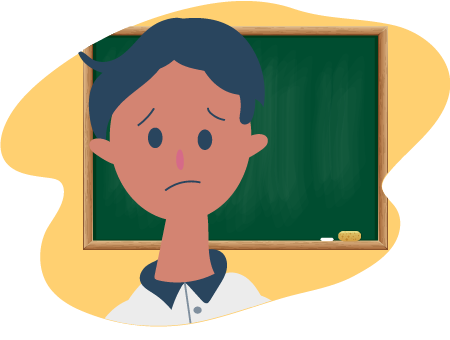
Giving a talk in front of their class
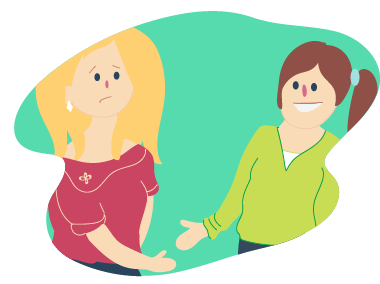
Meeting someone new
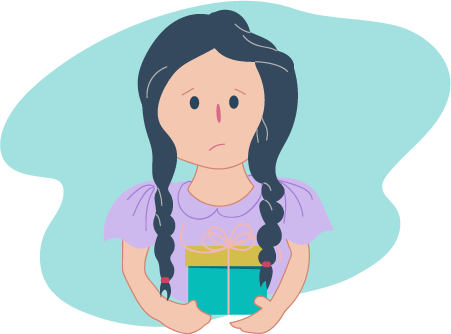
Going to a party with people they don’t know
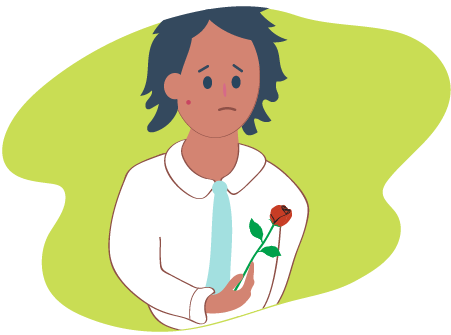
Going on a date
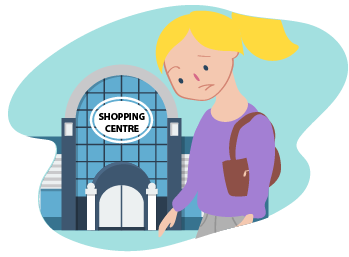
Going to a public place like a shopping centre
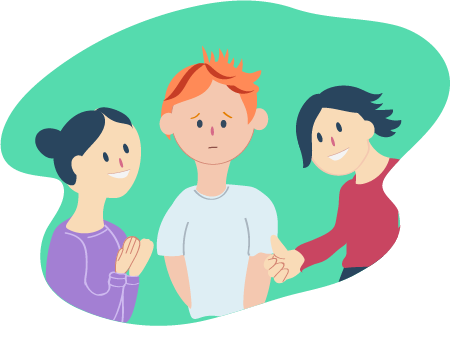
Being the centre of attention
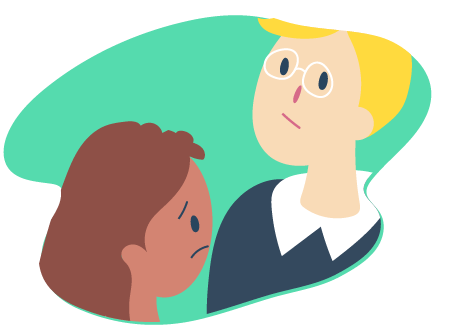
Talking to someone in authority like a teacher
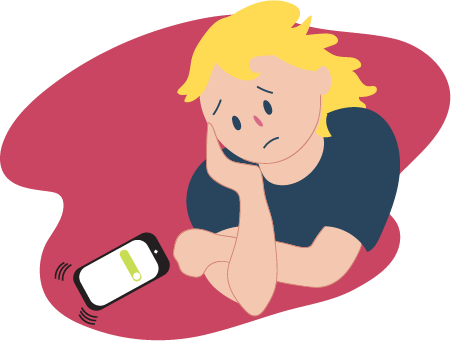
Talking on the phone
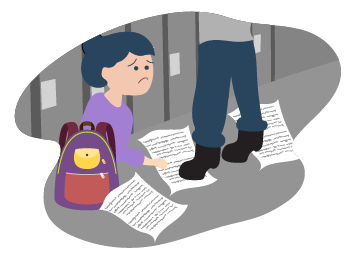
Asking for a favour or asking for help
Social anxiety affects the body, mind and behaviour
The fear underlying social anxiety is usually related to a belief or thought about something bad happening. They may think “I might say something stupid and people will stop liking me”.
This can lead to a number of symptoms including:
- Physical – racing heartbeat, muscle tension, sweating, sore stomach, nausea
- Psychological – difficulty concentrating, negative thoughts of being judged by others, mental blanks where they have nothing to say, an urge to get out of the situation
- Behavioural – avoidance of certain places, not answering the phone, avoiding achievement so as to not stand out
“My daughter called me from the movies and I listened while she calmed her breathing and talked herself through it” - Corey, parent of a 16 year old
Unhealthy ways of coping with social anxiety
If your child feels they can’t handle fearful social situations they may turn to coping strategies that can cause longer-term harm.
- They may avoid social situations which can make their anxiety worse
- They might use drugs and alcohol to manage overwhelming feelings and thoughts
- They may avoid success so they don’t stand out and draw attention to themselves
What can you do to help?
The first step is tuning into your child and noticing if they're particularly anxious about social situations. Be attentive to how this affects them and then try some of these ideas:
- Help them practice being in social situations – start with easier ones first and work up from there
- Do some role plays – if your child needs to have a difficult conversation with someone practice with them first
- Teach them relaxation techniques such as breathing, meditation, muscle relaxation
- Teach assertive communication and how it is different to being passive or aggressive
- Give them lots of positive feedback by pointing out their strengths and letting them know they're loved
- Put any setbacks into perspective – give them space to feel upset but also encourage them to not give up
There is support available for you and your child
To talk through your options, call a counsellor or speak with your doctor.
There is a Parentline service in each State and Territory that provides counselling and guidance on any parenting issue. Try calling them for more support and strategies.
Encourage your child to contact Kids Helpline if they need additional support to cope with social anxiety - they can call us, start a WebChat or email us.
If you are looking for more digital services and resources, check out Head to Health.
Share Kids Helpline
Many young people contact Kids Helpline because an adult shared it with them first.

This content was last reviewed 14/02/2018