Self-harm explained
Finding out a child has been self-harming can be scary and confusing. We explain what self-harm is and suggest things that you can do.
What is self-harm?
When a child tells you that they have been self-harming it can bring up mixed emotions of shock, fear, guilt and distress. It can be confronting to talk about self-harm and as a result it is not well understood.
Here’s some facts about self-harm:
- There are many different definitions of self-harm – in this article we refer to it as a deliberate act of harm to oneself that is not intended to end one’s life
- Self-harming is also sometimes referred to as self-injury, deliberate self-harm, self-mutilation, or intentional self-harm
- Self-harming is a behaviour and not an illness; it may be a symptom of psychological distress
- Self-harming is different from suicidal behaviour; if a young person is self-harming it doesn’t necessarily mean they want to end their life
- Some young people may display their self-harm by showing their scars in public, but many don’t
- Young people who self-harm may cover the scars in an effort to keep it a secret by wearing long sleeved shirts or long pants even in warm weather
Different types of self-harm
The ways in which a young person self-harms can vary greatly. Here are some examples of different types of self-harming behaviour:
- Cutting or scratching
- Burning or picking the skin
- Banging or punching objects or self
- Pulling out hair
- Intentional overdose on drugs or medications; self-poisoning
- Deliberate risk taking with the intention of injury
Why does somebody self-harm?
The reasons for self-harm are different for each individual so it’s difficult to say for sure why somebody self-harms without asking them directly.
Sometimes they themselves may not fully understand why they self-harm. Also, each incident of self-harm may be motivated by a different reason.
Keeping this in mind, here are some possible reasons why a young person may self-harm:
- To escape unbearable distress
- To cope with overwhelming or inexpressible emotions
- To show their distress to others
- To ‘punish’ themselves which can arise from past trauma
- To feel something when they are ‘numb’ inside
- It has become a habit that is difficult to break or it is a compulsive behaviour they feel unable to stop without professional help
- It may be a symptom of an underlying mental health disorder
Finding out that somebody you love and care about is self-harming can be shocking and scary. Luckily there is support available.
What can parents do?
If a young person in your life is self-harming there are a number of things that you can do to support them:
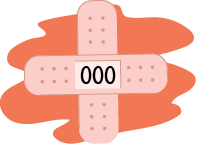
Attend to any immediate safety concerns and seek medical attention if needed
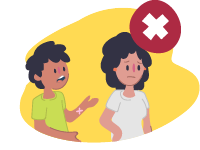
Don’t ignore the behaviour in the hope that it will stop
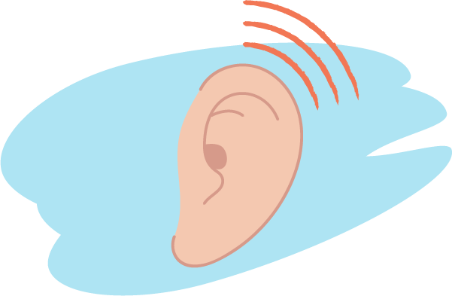
Discuss it calmly and listen to what they have to say. Show support and understanding

Remind them that you care about their wellbeing and that you want to help them
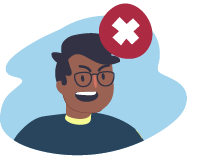
Avoid threatening or telling them to ‘just stop it’ as they may be unable to stop without professional support
Encourage and facilitate access to professional help to help them work out why they self-injure and to change the behaviour

Ensure that first aid supplies are easily accessible for any future self-harming
Learn more about self-harm through online research, books, and articles which can provide information to support you and your family
You are not alone
There is support out there to help you and your family.
You could encourage the young person in your life to contact Kids Helpline and talk to a counsellor if they are ready and comfortable to talk to someone about it.
You may find talking to somebody outside of the situation helpful. You could try calling Parentline in your State or Territory or discuss your concerns with your doctor.
You may find more digital services and resources at Medicare Mental Health.
Share Kids Helpline
Many young people contact Kids Helpline because an adult shared it with them first.

This content was last reviewed 14/02/2018