Risk taking and teens
Testing boundaries and taking some risks is a healthy way for your child to learn limits.
But you might worry about them getting hurt or worse. Here’s what you can do.
Seeing your teen engage in risk taking behaviours can be scary - you might worry for their safety or the safety of others
Parenting involves an awareness of what risks of harm your child might face and helping them to learn limits and stay safe.
- Trying new things and testing the limits is normal at all developmental stages from birth to old age - it’s how people grow to be wise and experienced
- It’s called risk taking when it involves activities that may result in harm to oneself or someone else
- Harmful risk taking by your child may potentially lead to health, legal and relationship problems
Why do young people take risks?
Tune into your child and notice the signs. Their risk taking may be influenced by the following:
- Peer pressure
- Modelling what they see in the media
- Mental health issues
- Modelling friends and family
- Boredom and a need to be challenged
- Questioning the norms of society
- Believing nothing bad will happen to them
- Absence of positive role models
“Learning to be an independent adult involves understanding how to handle risky situations”
What types of risks might your child take?
There are many different forms of risk taking. The level of risk involved can increase depending on the age of your child. Some of the concerns parents have for their kids include:
- Drug and alcohol use
- Unsafe sexual activity
- Exposure to risks online
- Illegal activities or gang involvement
How can you encourage your child to avoid dangerous risks?
Having good communication allows you to know what your child is doing when they’re not with you.
Also try these tips:

Give them information about the risks by having a calm discussion
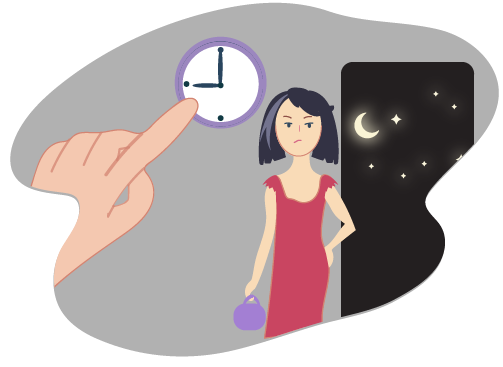
Talk about the rules and help them understand why they’re important

Encourage safe yet exciting events like travel, camping or sports

Talk openly about peer pressure and their ways of dealing with it
Talk with a Parentline Counsellor in your State for more tips
We’re here to help your teen
Support is available
Encourage them to contact Kids Helpline if they need some extra support.
You may find talking to somebody outside of the situation helpful. You could try calling Parentline in your state or territory to discuss your concerns.

Share Kids Helpline
Many young people contact Kids Helpline because an adult shared it with them first.


This content was last reviewed 14/02/2018