Mood Swings and Puberty
Parenting a child through puberty isn’t always easy, let alone adding mood swings into the mix!
Here are some ways you can support your child through this emotional rollercoaster ride.
Laughing one moment and storming off the next…
Mood swings are a normal part of puberty
During puberty your child’s emotions may become stronger and more intense.
Their mood might change more frequently, quickly and randomly.
Your child may have strong emotions that they've never experienced before.
It’s common for them to feel confused, scared or angry and not know why.
They also might be more sensitive and become more easily upset than usual.
What’s behind the mood swings
Puberty brings a lot of changes for your child not only physically, but socially, mentally and emotionally too. Things that can impact on your child’s mood and the way they feel, include:
- Hormones
- Peer pressure
- Conflict with family
- Stress
- Busy schedule
- Feeling self-conscious
- Lack of sleep
- School demands
- Feeling scared or alone
- Anxiety
- Physical changes
- Increased decision making
Hormones not only change your child’s body on the outside…
They’re creating changes on the inside too!
While your child’s body is adjusting to all the new hormones, so is their brain.
During puberty the brain starts strengthening parts that allow them to feel intense and complex emotions.
However, the part of the brain that is responsible for regulating emotions, deep thinking, reasoning and decision making is often the last to develop.
This can leave your child feeling like their emotions are out of control as they may not have the mental capacity to cope with them just yet, causing even more irritability and frustration.
Supporting your child through the up and downs
Here are some things you can do to help them process and cope with these new emotions:

Keep calm, listen and acknowledge their feelings

Help them understand their moods and what they might be going through
Maintain clear rules, boundaries and expectations
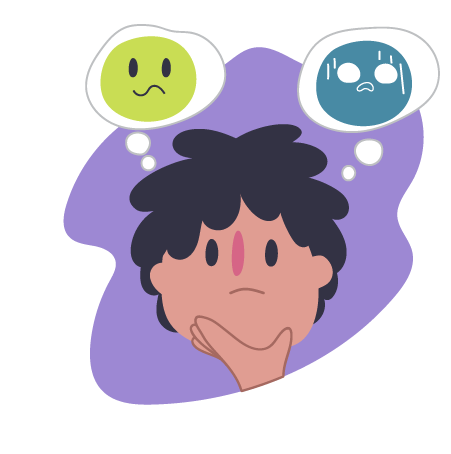
Allow them space to process their feelings and be available when needed

Support your child to problem solve - don’t just jump in and try to fix it!
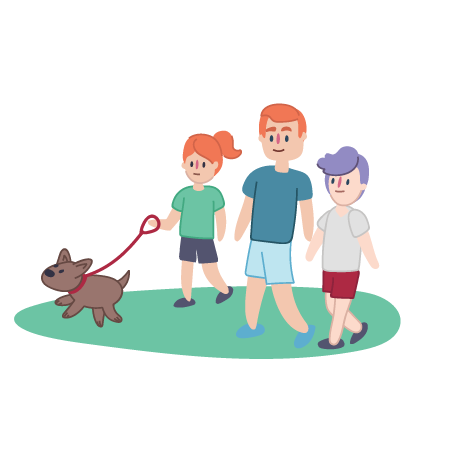
Make the most of the ‘up’ times and frequently praise good behaviours

Work together to find ways to lighten their mood and express their feelings
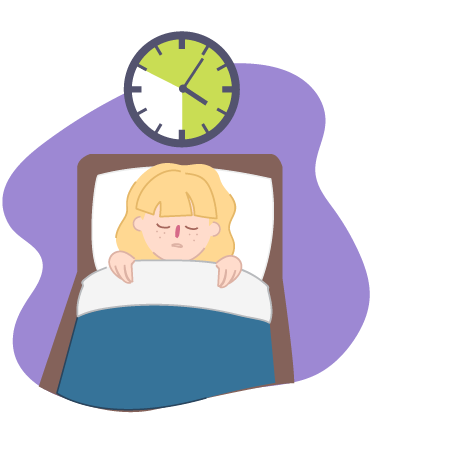
Encourage healthy sleeping routines and eating habits
Mood swings vs depression
If your child is continually feeling down it may be a sign of something else
It’s important to keep in mind that severe and prolonged mood swings may be a sign of depression or a mental health issue.
Three key areas to help distinguish between normal mood swings and something more serious include:
- Duration – moods lasting more than two weeks
- Severity – significant changes in behaviour, feelings and thoughts
- Impact – affecting many areas of their life (home, school, friendships)
If you’re noticing these signs, it’s important to talk with your child and seek support from your GP.
The good news is that these mood swings should ease as your child moves through adolescence and finds ways to cope with these emotions.
There’s help available
You don’t have to face this difficult time alone
There is a Parentline service in each State and Territory that provides counselling and guidance on any parenting issue. Try calling them for more individualised support and strategies.
Encourage your child to contact Kids Helpline and speak to one of our counsellors for some additional support - they can call us, start a WebChat or check out My Circle today.
If you are looking for more digital services and resources, check out Medicare Mental Health.

Share Kids Helpline
Many young people contact Kids Helpline because an adult shared it with them first.


This content was last reviewed