Families impacted by domestic violence
Domestic violence can happen in any family.
It’s never ok and everybody deserves to feel safe and free to be themselves.
Living with domestic violence is not ok
Violence can happen in any family - rich or poor, rural or urban, all age groups and backgrounds.
- Domestic violence – also known as family violence – isn’t about somebody being unable to control their anger. Abusers believe they are entitled to have power and control over their partner.
- Some forms of family violence – stalking, threats, sexual and physical violence – are a crime. The behaviour of the abuser makes it very hard for the other person to leave.
- Once family violence begins, it may get worse over time.
Types of violence
Here are some examples of how abusers control their partners:
- Controlling their partner's finances
- Isolating their partner from others
- Verbal abuse and put downs
- Threatening or hurting pets
- Emotional abuse and humiliation
- ‘Gaslighting’ and manipulation
- Threats and intimidation
- Physical abuse
- Accusations and starting arguments
- Use of weapons or objects thrown
- Sexual abuse and rape
- Harassment and abuse of children
The cycle of violence
There are six stages in the cycle of violence as set out by Lenore Walker.
These stages may not be the same for everyone. But this model can help you understand how the violent behaviour occurs.
- The build-up phase – Relationship becomes tense and the abuser increases verbal, emotional or financial abuse
- The stand over phase – Described as ‘walking on eggshells’ and fear that anything might set off the abuser
- Explosion – The peak of the cycle where the abuser uses violence to control the other person and tension is released
- The remorse phase – The abuser may feel ashamed and withdraw from the other person or try to justify their actions
- The pursuit phase – Abuser promises to change or makes up for their behaviour eg. giving gifts, increased affection and attention
- The honeymoon phase – Denial over how bad the abuse/violence is and ignoring the likelihood of it happening again

Living in a climate of fear and control can cause harm
While there are many ways in which family violence impacts children, here are some key things to consider:
- Babies and young kids pick up on it even if they are in another room
- Children will react differently depending on age and exposure
- Abuse between parents increases the risk of abuse to children
- Violence at home can teach kids it’s ok to inflict pain on others
- Children of abusers will NOT always become abusers as adults
- Some children may have mental health issues eg. depression, anxiety
- Children tend to blame themselves for their parents' problems
- Some children may have behavioural problems eg. aggression
Supporting kids who experience family violence
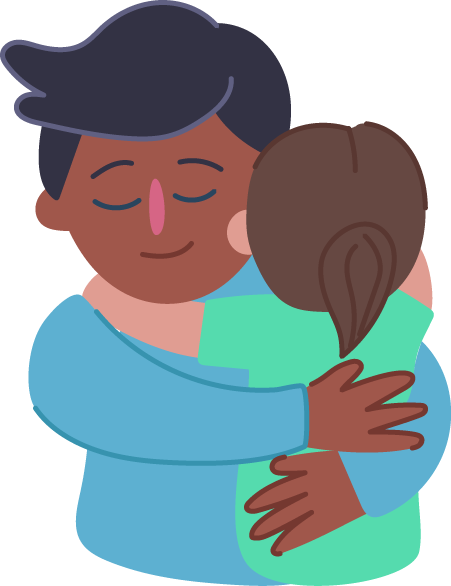
Give lots of positive attention through hugs and telling them you love them

Show respect for them and tell them their feelings matter
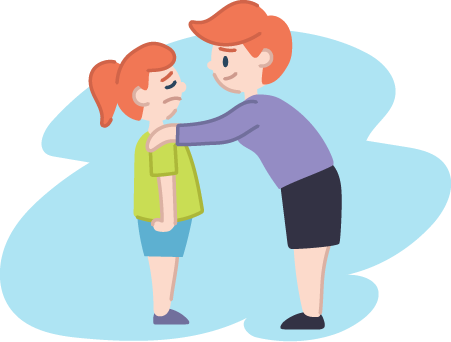
Reassure them that the abuse is not their fault
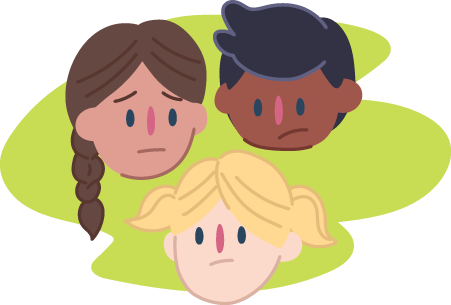
Let them know other kids have gone through similar things - they’re not alone
Ask them how they feel and what they think - listen without judgement
Seek counselling support for kids to help them cope and build resilience
Create an environment that is safe and predictable
Provide safe ways for them to express their anger and frustration
Support for families impacted by family violence
For parenting support, these services are available from anywhere in Australia:
Some services will help your family find a safe place to stay, assist you in creating a safety plan and connect you with supports in your community.
Kids and young people under 25 years old can contact Kids Helpline and talk with a counsellor about what’s happening and get help. They can give us a call, start a WebChat or email us today.
If you are looking for more digital services and resources, check out Head to Health.
Share Kids Helpline
Many young people contact Kids Helpline because an adult shared it with them first.

This content was last reviewed 21/06/2018