Depression in kids and teens
You might be unsure whether your child is just sad or if it’s something more serious like depression. Informing yourself and knowing when to seek professional support can help.
All of us experience sadness or feel low at times, and this is a normal response to upsetting events.
Usually after the event is over and some time has passed, sadness lifts and we return to our usual selves.
However there is another kind of sadness which is a mental illness - depression.
This sadness stays for weeks and the person loses enjoyment and interest in nearly all activities they could do previously, including study or work.
If your child has depression, it often won’t get better by itself and they need to see a doctor and get support.
“One in five teenagers is likely to experience a diagnosable depressive episode by the age of 18”
What causes depression?
The mental illness, depression, can be caused by many things.
Biological – family history, genetic predisposition

Psychological factors – stress, loss, neglect, abuse, bullying
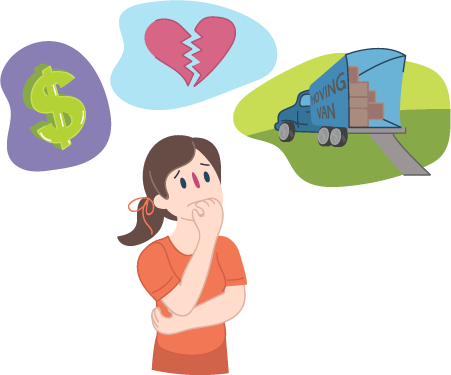
Social factors – conflicts, breakups, money worries, moving location/school

Physical factors – medical issues, injuries, pain, sleep problems
How can you tell if your child might have depression?
If you notice three or more of these signs over several weeks, seek a check-up with your child’s doctor:
- Avoidance of contact with friends, not returning messages
- Major drop in performance at school and sports
- Heightened irritability, anger or outbursts
- Unable to make decisions
- Changes in eating or sleeping
- Hopelessness about the future
- Sensitivity to failure or rejection
- Criticising themselves
- Persistent sadness and crying
- Drug and alcohol misuse
- Saying they can’t continue living
- Deliberate self-harm
- No energy or motivation, continuous tiredness
- Uncharacteristic behaviours – recklessness, stealing, bullying
Things you can do as a parent or carer
Depression is tough to deal with alone. It’s important to get support for your child as well as yourself.
- There can be an urge to deny that your child could have depression. Be prepared to tune into them, as well as your own feelings about this
- Tell them you care. Take notice of what the world is like for them, not how you expect it to be
- Stay close – making time to spend with them can help
- Look out for signs they may be suicidal and seek professional help to make a safety plan
- Your child is not alone – encourage them to contact Kids Helpline. They can call us, start a WebChat or send us an email
- You are not alone – contact a counsellor at the Parentline service in your State or Territory and speak with your local Doctor
Talking helps! We’re here for your kids.
No problem is too big or too small. We're here 24 hours a day, 7 days a week.
Share Kids Helpline
Many young people contact Kids Helpline because an adult shared it with them first.


This content was last reviewed 14/02/2018