Bullying at school
When bullying happens at school, it’s hard to know how to help your child.
Let’s explore what bullying is and what you can do as a parent.
Ask the experts
In this free webinar, Kids Helpline’s Stephanie and Parentline’s Kim share expert advice on how to respond to bullying, what to say to your child, and how to build their resilience and wellbeing. You’ll also learn how to take care of yourself as a parent during challenging times.
If you're are parent/carer living in QLD or NT you can reach out to Parentline for free counselling and support.
Looking for bullying support in your school? Check out Kids Helpline @ School's free lessons!
No one deserves to be bullied
Being bullied is not your child’s fault or responsibility.
Bullying can be a complex problem and there is sometimes no simple solution. Here’s a breakdown of some of the principles that underlie bullying behaviour:
- Bullying is a deliberate intention to harm somebody else
- Bullying happens through repeated acts and it's not usually a single event
- Bullying creates a power imbalance between those doing the bullying and those being bullied
- People who bully others may not have obvious ‘behavioural’ issues and they may have good social skills
- Typically boys engage in more physical types of bullying
- Typically girls engage in more verbal, emotional or social types of bullying
- 'Bystanders’ are those who witness bullying and do not intervene to stop the bullying or support those being bullied
- 'Bystanders' ignoring or not intervening in bullying can have a big impact on those who are being bullied
- ‘Bystanders’ may make bullying worse by cheering or laughing
- 'Bystanders' can become 'upstanders' by intervening or offering support
- Those who bully may act alone or when others are not around and cannot witness it
You might start to notice changes with your child if they're being bullied. There are signs you can look out for as a parent.
If your child is being bullied you might notice:
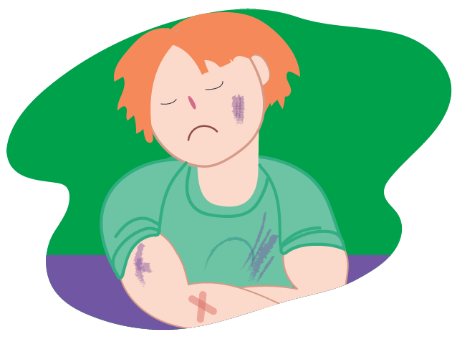
Cuts, bruises, marks on their skin
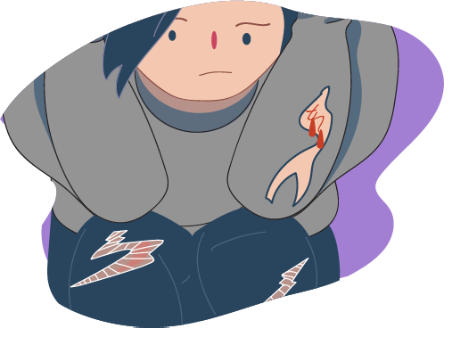
Ripped or stained school clothes
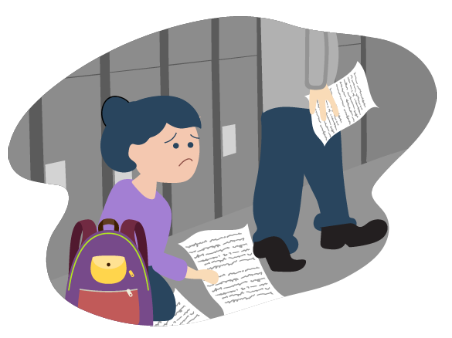
‘Losing’ things at school
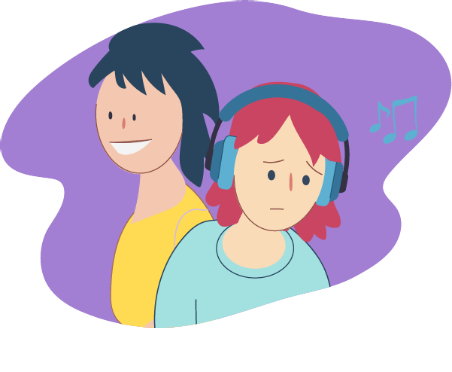
Withdrawing from others
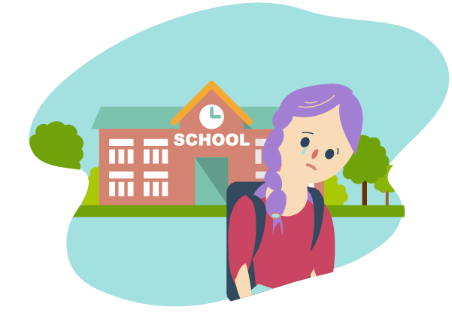
Avoiding school or social situations
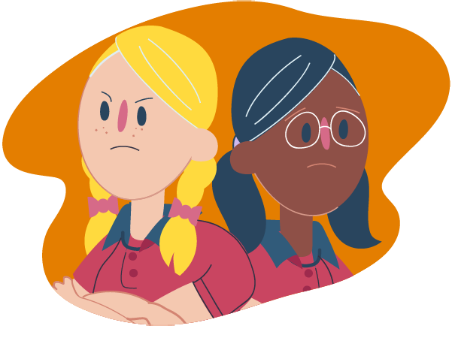
Friendship breakups
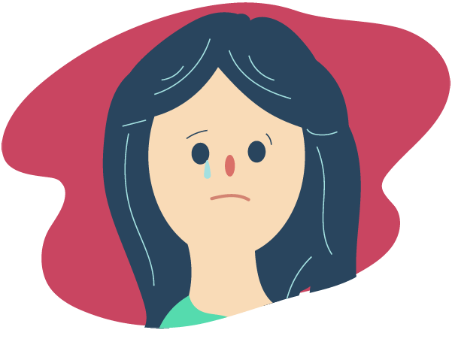
Feeling stressed, anxious, depressed
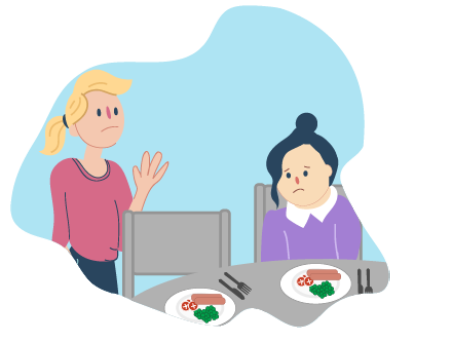
Loss or increase in appetite
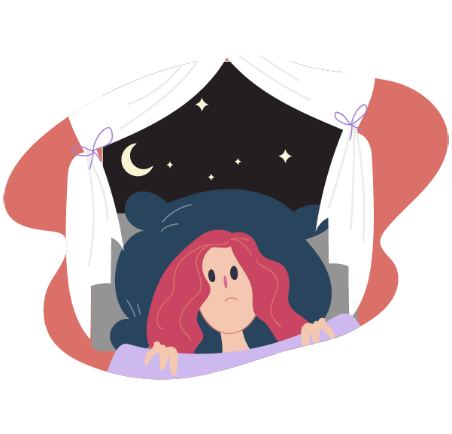
Trouble sleeping, headaches, stomach aches
You are not alone. If your child is being bullied, they can talk to a Kids Helpline counsellor at anytime, for any reason.
It can be tough knowing how to broach the topic of bullying.
Try to be open to hearing their point of view and listening rather than jumping straight to solutions.
- Talk regularly about school, their friendships and anything that might be troubling them
- Ask them directly if they're being bullied and let them know you want to work together to help stop it
- Discuss your own experiences of being bullied and how you got through it
- Encourage them to call Kids Helpline and talk to a counsellor
For parenting support, call Parentline in your local State or Territory and they can advise you on what the next steps might be.
Share Kids Helpline
Many young people contact Kids Helpline because an adult shared it with them first.

This content was last reviewed 16/05/2019