Building respectful relationships
As a parent, you play an important role in helping your kids build self-respect and knowing how to be respectful to others.
As parents, we often value respect enormously! We ask for it and expect to receive it from our kids.
Respect is a word that often gets used but is difficult to define.
Most people would tell you they know when they are being treated respectfully. However they might have trouble knowing when their own communication is disrespectful.
What kinds of respect do you expect?
Respect exists in relationships at many levels.

Self-respect

Respect for others
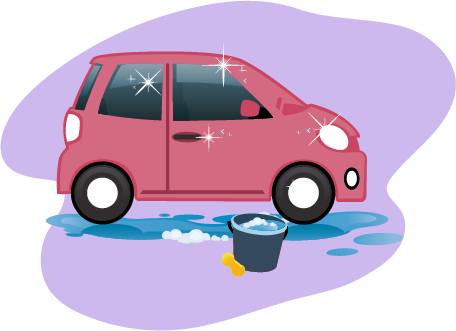
Respect for possessions

Respect for authority
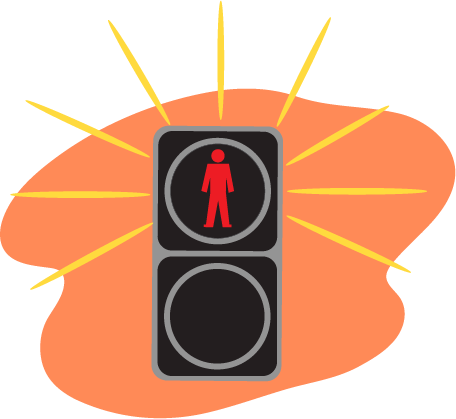
Respect for the law
How do you recognise respect in a relationship?
In respectful relationships, the following are put into action:
- Rights to be safe, valued and cared for
- Listening and taking turns to be heard
- Being supported to make our own choices
- Freedom to disagree without being put down, called names or hurt
- Being accepted as a person even if you’ve made a mistake
- Trust, honesty and taking care with others personal information
- Sexual activity is legal and consent is sought
- Not behaving in a way that is intimidating especially during conflict
- Supporting others needs and wellbeing
- Not dominating others
“As a Dad I’m aware that I need to step up and encourage my kids to learn about respectful relationships”– Nash, father of 10 year old son and 13 year old daughter
How can I help my kids learn respect?
As a parent, think back over how you learned what respect and disrespect looks like. Take stock of how you and others in your family communicate, particularly when under stress.
Young people look to the adults around them for role modelling. For example, if an adult treats them with care and consideration, they'll learn to offer this to others. This modelling also helps them recognise when disrespect is occurring among their peers.
What creates respectful relationships?
Specific skills and behaviours can help!
- Understanding and empathy – what’s your child’s world like right now?
- Active listening – "so what I heard you say is…"
- Anger management – stop, think, speak
- Assertiveness – avoid being too passive or aggressive
- Conflict resolution – identify non-negotiables early, then be open to compromise
- Problem solving and decision making – avoid imposing solutions, help them think through the pros and cons
Parenting is sometimes hard but there’s always somebody you can talk to or something you can try
If you’re struggling with a parenting issue then call a Parentline service in your State or Territory.

Share Kids Helpline
Many young people contact Kids Helpline because an adult shared it with them first.


This content was last reviewed 14/02/2018