Anxiety in kids and teens
Parenting a child with anxiety is tough, but you don't have to do it alone. We've got tips that can help you and your family.
What is anxiety?
Some level of anxiety is a normal part of life and growing up. But if it stays for long periods of time then it could be a problem.
- Everyone experiences anxiety sometimes, especially when faced with new, stressful or dangerous situations
- If high levels of anxiety continue over time, this can mean constant physical feelings of panic and avoidance of anything that might trigger it
- An anxiety disorder should not be ignored and it usually won’t get better on its own
“Anxiety can happen as a response to changes or life events and usually passes on its own. If it persists, it’s important not to ignore it and get help.”
What are the main types of anxiety disorders?
Anxiety disorders are one of the most common types of mental health concerns for young people. Doctors and psychologists can assess and diagnose the following:
- Generalised Anxiety Disorder (GAD) – large amount of time spent worrying about any aspect of life – past, present or future
- Post-traumatic Stress Disorder (PTSD) – panic, intrusive thoughts and avoidance may occur after significant stressful events
- Obsessive Compulsive Disorder (OCD) – persistent repeating thoughts, impulses or images that are intrusive and unwanted, including compulsive behaviours
- Panic Attacks and Panic Disorders – intense physical discomfort, shortness of breath, increased heart rate, sweating and dizziness associated with fearful thoughts
- Social Phobia – intense fear of being embarrassed or unable to communicate in social and public situations
- Specific Phobias – intense irrational fears and panicked reactions to things or situations (eg dogs, bees, the dark, etc)
Things parents can do
Anxiety in children and teenagers is very common and there are treatments available to help them overcome it.
As a parent, there’s many things you can do to support your kids through it:
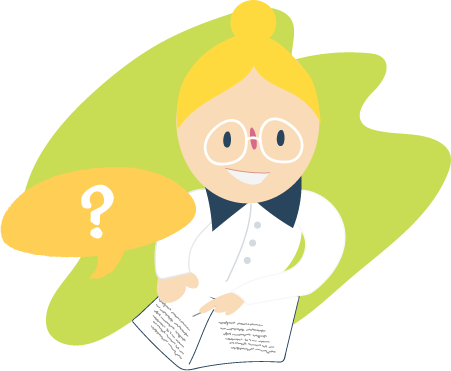
Find out more about anxiety – read books and talk to experts
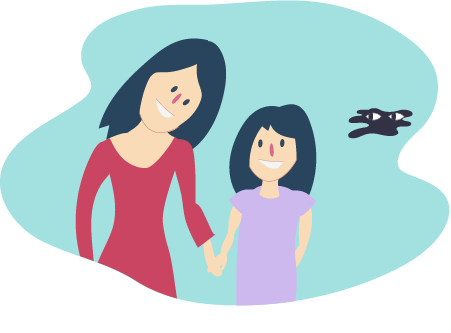
Let them know you can work together to overcome anxiety
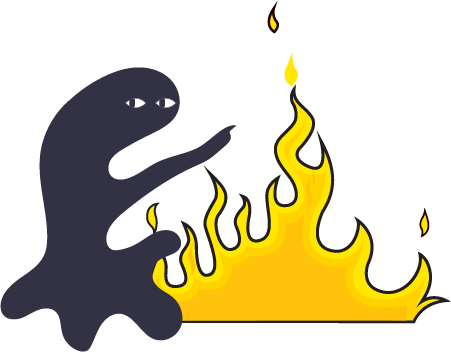
Teach them about anxiety – its role is to protect us from threats
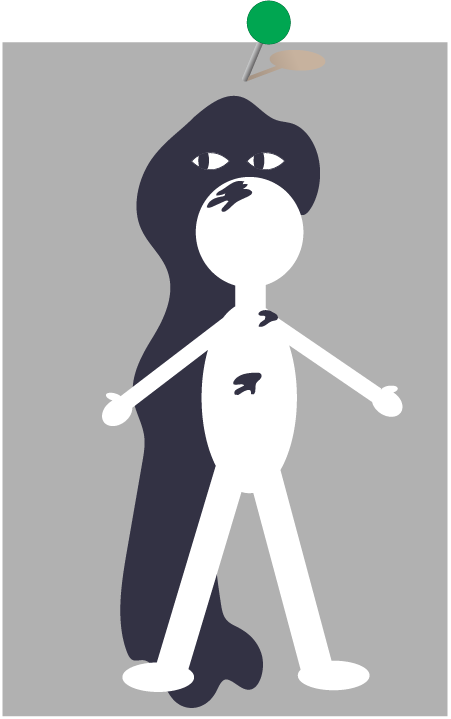
Talk about their anxiety – sketch where on their body they feel it
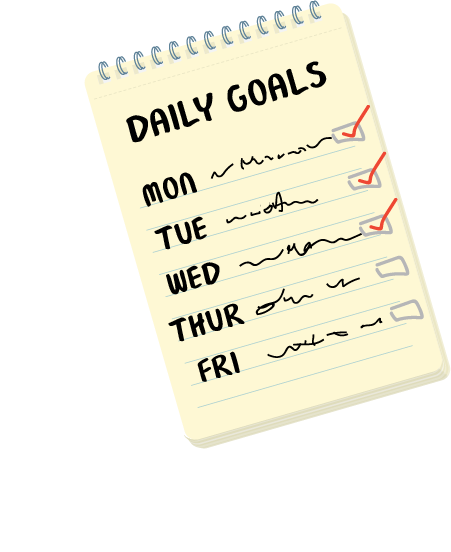
Help them manage their anxiety – set daily goals
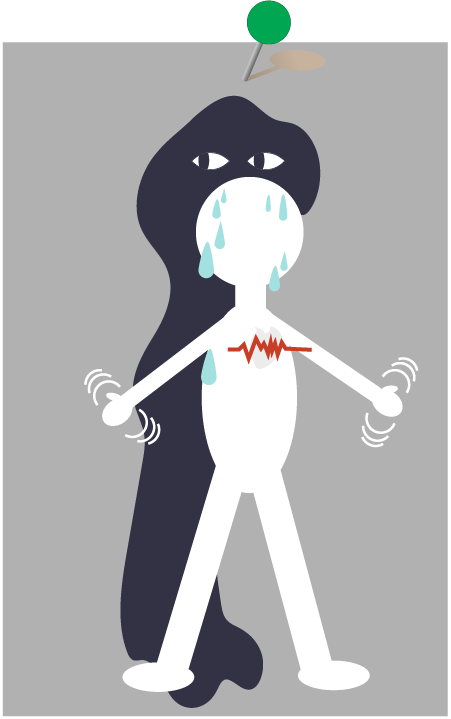
Reassure them that shaking, sweating and a racing heart can be a part of anxiety
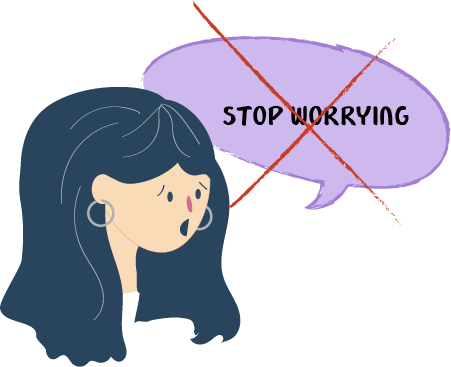
Avoid telling them to ‘stop worrying’ – often they can’t control it
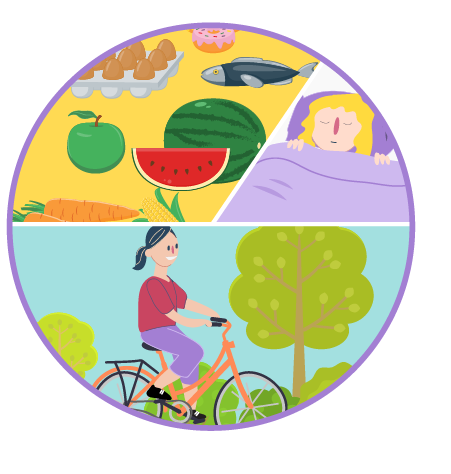
Encourage a healthy lifestyle – eat well, exercise, sleep
Keen for more help?
It can be stressful wondering if your child is suffering from problematic levels of anxiety. You’re not alone. You can seek information and talk it through with a counsellor or your local doctor.
If your child needs some extra support, encourage them to talk to a Kids Helpline counsellor today. They can call, start a WebChat or send us an email.
If you are looking for more digital services and resources, check out Head to Health.
Share Kids Helpline
Many young people contact Kids Helpline because an adult shared it with them first.


This content was last reviewed 14/02/2018